
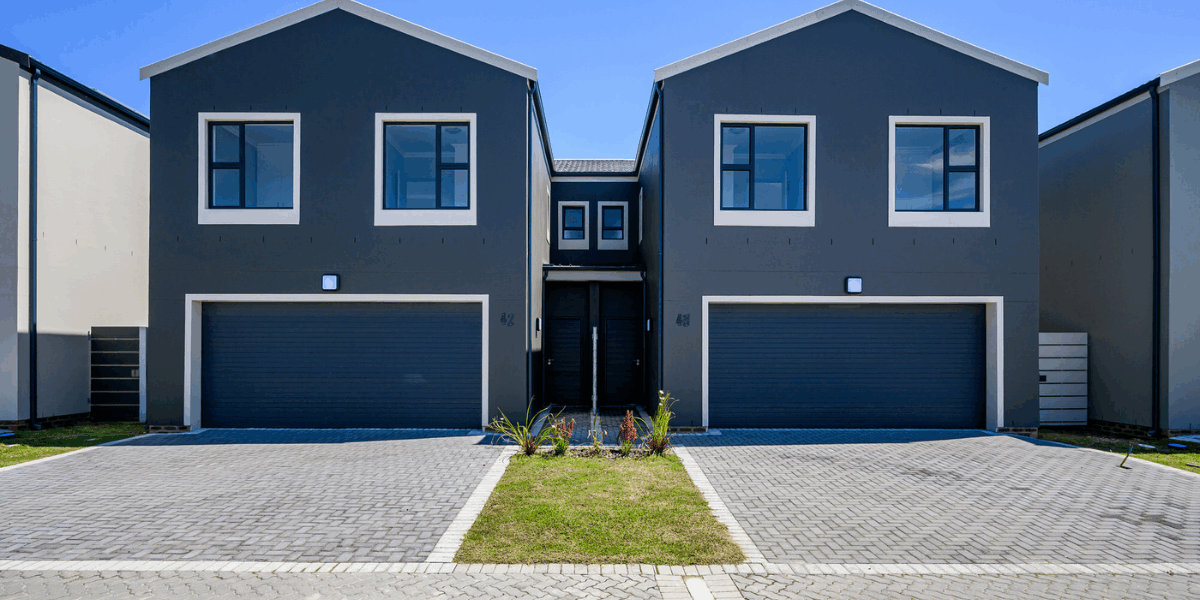
While global housing markets experienced slower price growth against the post Covid-19 global economic uncertainty, South Africa’s residential estate sector showed remarkable resilience and long-term value. Far from losing momentum, lifestyle estates across the country outperformed the broader property market – offering secure, community-focused living that appeals to both investors and homeowners alike.
Strong opportunities emerged in high-growth areas such as Gqeberha (Port Elizabeth), where property prices remain competitive, yet development quality and lifestyle offerings are on the rise. Statistics South Africa has identified both Gqeberha and East London as markets to watch, particularly for buyers seeking space, security, and value for money.
In Nelson Mandela Bay, homes and townhouses rank among the best in terms of size relative to cost, while local construction expenses remain lower than in other metropolitan regions. This affordability, combined with a strong sense of community and access to key amenities, makes residential estates in the region an increasingly attractive proposition.
Despite broader market fluctuations, the outlook for South African property remains positive. Analysts forecast moderate GDP growth and stable inflation levels, which could support renewed confidence among property investors in 2025 and beyond.
Residential estates continue to stand out for the unique value they offer. Buyers aren’t simply purchasing a home – they’re investing in a lifestyle that combines safety, convenience, and a strong sense of belonging. Modern estates integrate schools, parks, healthcare facilities, and leisure spaces within a single, secure environment, appealing to young families, professionals, and retirees alike.
Demand is especially strong for well-priced, low-maintenance homes within gated communities, particularly in the R1.4million to R1.8million range. These developments address a major gap in the market for quality, lock-up-and-go living, offering residents’ peace of mind and minimal upkeep.
First-time buyers also see value in new developments, where there are no transfer duties and the opportunity to view completed homes before purchase adds confidence to their decision. For investors, the long-term appeal lies in the steady appreciation of estate properties, which tend to outperform traditional freehold homes thanks to their location, management, and amenities.
As urban density increases and the cost of inner-city living continues to rise, residential estates provide a welcome alternative – spacious, well-planned, and designed for modern life. The combination of quality construction, green open spaces, and strong community values makes them a sound investment choice for those seeking both stability and lifestyle.
In short, residential estates are not just weathering economic uncertainty – they’re setting the standard for future living in South Africa.


